Mobile apps —one codebase
Store-ready apps for iOS and Android from a single codebase. The minimum in the first release, and everything else — ready to switch on — as your user base grows.
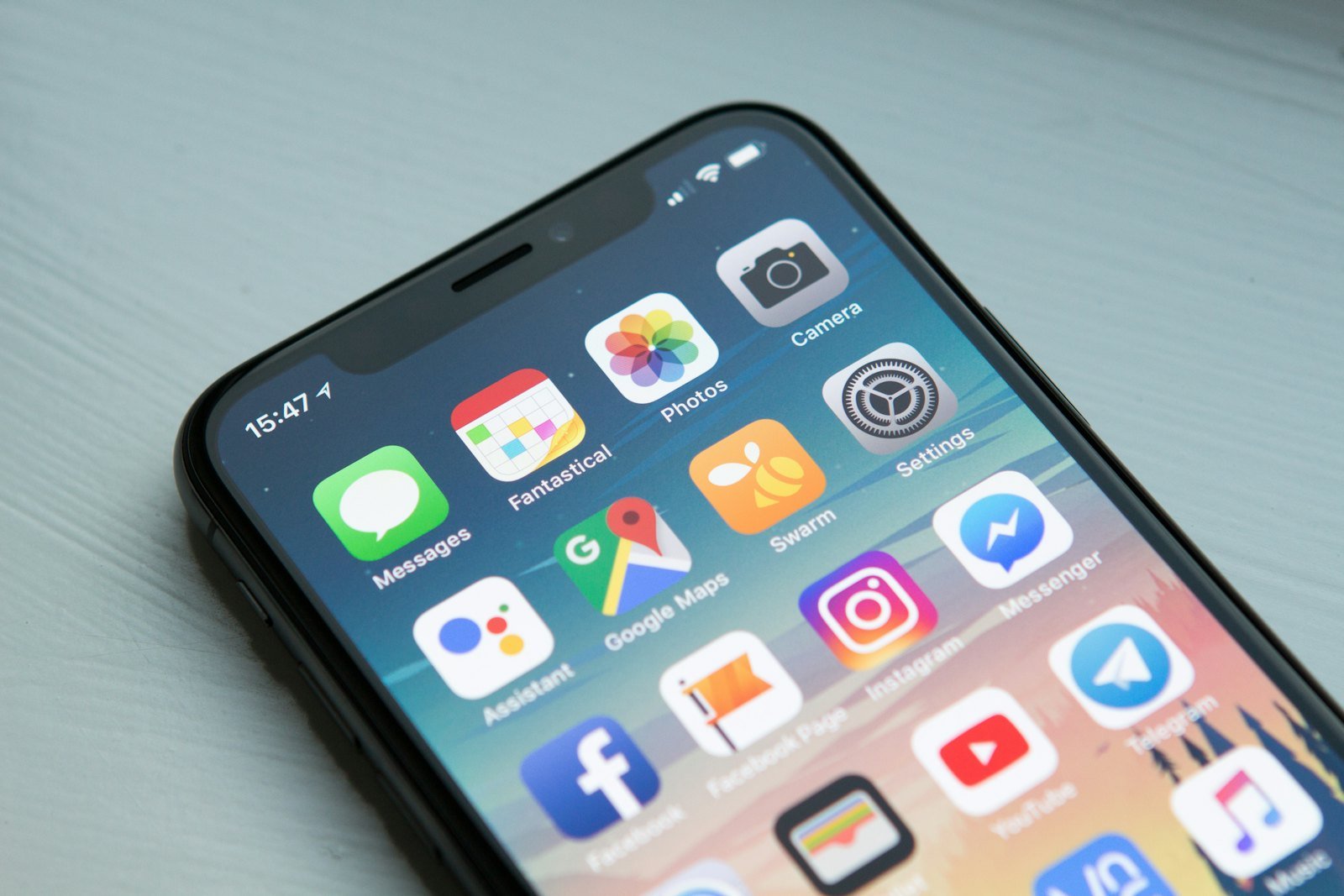
Our approach
Wanting “everything in the first version” is the classic mistake that sinks mobile projects. Push notifications, offline mode, deep analytics — all of it is valuable, but none of it wins your first user. The job of the first version is to get an answer from the market: do people install it, open it, come back?
That is why at S1 we build a single codebase on React Native and Expo: the core flow, sign-up, the main functionality and the store release. One team and one budget instead of two separate teams for two platforms. With agentic development this is usually three to four weeks of work.
As your user count grows, push infrastructure, an offline-first data flow, deep analytics and performance optimization are switched on step by step. Because the code structure is ready for this from day one, every new layer is an addition, not a rewrite.
What's included
Consumer apps
E-commerce, service booking, membership-based products. App Store and Google Play release and store compliance are on us.
Internal business apps
Operations apps for field teams, couriers and warehouse staff. Synced in real time with the system in the office.
Maps and location services
Live tracking, routing, geofencing. We have production experience in logistics and delivery.
Offline-first architecture
Apps that work even on a weak connection — data is stored locally and synced when connectivity returns.
Store operations
Certificates, the release process, the update flow and review monitoring. We handle the communication with the stores.
How it changes withscale
The same service at three different depths. We choose together which tier to start from during the scale conversation.
Core flow + sign-up + store release. One codebase, a simple backend. The goal: get install and usage data from real users.
Push notifications, offline mode, analytics events, automated tests and automatic store releases via CI are switched on.
Performance profiling, A/B testing infrastructure, multilingual releases and support with an SLA. A setup ready for millions of users.
Two platforms, one team, weeks
Agentic development is especially strong in mobile work: screens, navigation and API connections are assembled quickly with agents, while the engineer focuses on platform-specific subtleties — gesture behavior, performance, store requirements.
2
platforms for the same budget (iOS + Android)
Deliverables
- iOS and Android apps — published in the stores
- Source code in your account
- Backend API and its documentation
- Store accounts set up and handed over
- Analytics dashboard — installs and usage metrics
- Update and support plan
Frequently asked questions
- Why React Native instead of native (Swift/Kotlin)?
- Because at S1 speed and budget are decisive: one codebase covers two platforms. Where a truly native feel is critical, we write native modules. Fully native is only advisable for specific requirements (heavy graphics, special hardware) — and we say so openly in the scale conversation.
- What happens if the store rejects the app?
- We run the release process and check store compliance in advance. If there is a rejection, the fixes are our responsibility — the work is not considered done until the app is published.
- Does the app's backend have to be built by you too?
- Not a requirement — we can connect to your existing API. But when we own the backend, the mobile and server sides change in the same sprint, which noticeably speeds up development.
Next step
Let's build your product*together*
In a forty-minute meeting we talk through your scale: which tier it makes sense to start at, how much time and budget it takes, and what we deliberately defer. No obligation.